Intoduction
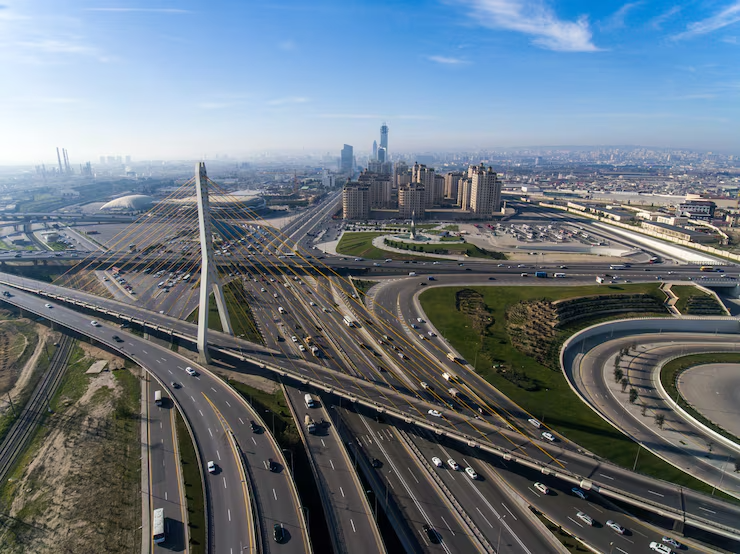
The rapid pace of urban growth in the UAE — especially in Dubai and Abu Dhabi — is creating severe traffic congestion that’s increasingly becoming a daily struggle for commuters and residents alike. What once was a symbol of smooth, modern infrastructure is now a growing urban challenge affecting lifestyle, productivity, and urban mobility.
What’s Happening
- Major highways and arterial routes, especially those leading into and through Dubai and Abu Dhabi, are experiencing rush-hour gridlock and severe slowdowns during morning and evening peaks.
- Key inbound corridors, such as Sheikh Mohammed Bin Zayed Road (E311) and Emirates Road (E611), frequently register heavy congestion that can add hours to daily commutes.
- Data from 2024 shows that drivers in Dubai lost up to 35 hours per year stuck in traffic — a figure that is rising with population and vehicle growth.
Root Causes
- Population & Vehicle Growth — Rising numbers of residents and commuters without equivalent expansion in road capacity.
- Urban Planning Challenges — Infrastructure is still adjusting to economic expansion, tourism spikes, and new business hubs.
- Limited Transport Alternatives — While public transit options exist, many neighborhoods and sectors rely heavily on private cars.
Impact on Daily Life
- Longer commute times for workers, affecting health and work-life balance.
- Economic costs through lost productivity and increased fuel consumption.
- Environmental footprint rising due to congestion-related emissions.
Possible Solutions Under Discussion
Urban planners and authorities are exploring solutions like:
- Expansion of metro, tram, and bus networks.
- Smart traffic management systems using real-time data.
- Incentives for carpooling and remote work schedules.
This issue highlights a growing urban sustainability challenge for the UAE as its cities scale rapidly. It affects residents, businesses, and visitors alike, making traffic management a key topic for policymakers and daily commuters.